
Observations of CDMX Life

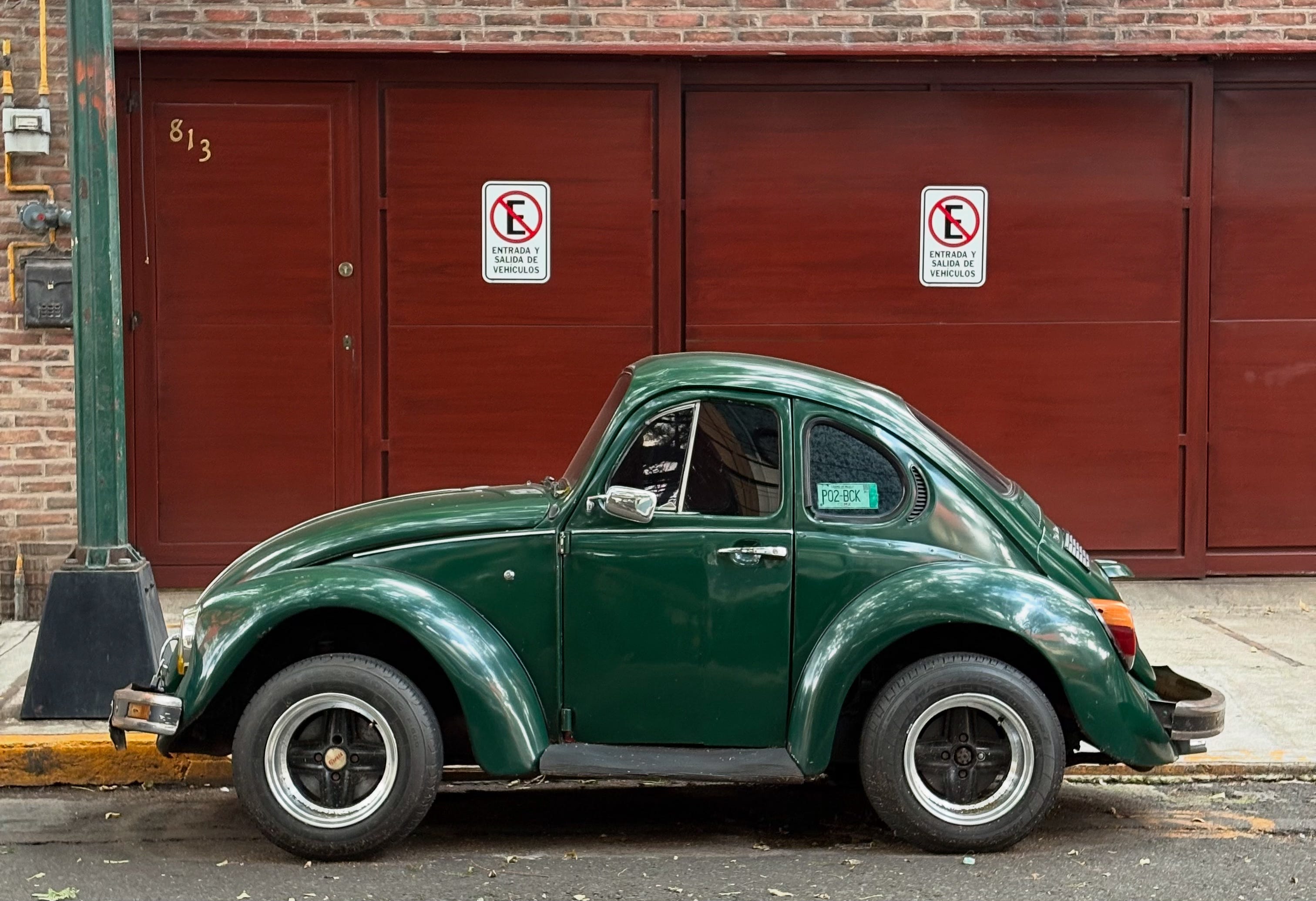
We have been in CDMX for almost two months. To be honest, I had to look at a calendar to count the days. Time has become a distortion chamber; a hazy blur of awe and exhaustion. The closest thing I can compare the feeling to was back when Logan was born. Of course, not the same thing as a newborn, but a similar set of sensations! I will write more soon about the systemic upheaval that moving here has created, but the short summary is this: my nervous system likes it here, my heart feels at home here, but my mind hasn’t caught up yet.
We are starting to actually “live” here, not just be here. Despite all of the turbulence from the prop-wash of such a huge change, I am starting to find a bit of a rhythm. Or maybe better said, I’ve found ways to be present; to experience, not just endure. With presence comes pattern recognition, and with pattern recognition comes a desire to share some of my observation of life here in CDMX.
As I wrote about last month, the most significant difference between the US and Mexico is that the US is a system that has produced a culture. Mexico is a culture that has produced a system. While my eye and soul have be captivated by beauty, amusement, and wonder (some of which can be seen on my Instagram), my mind has noticed many of these systemic differences.
Some are huge differences from suburban life in Austin, TX. While noise is to be expected in any large city, the noise here is different and louder. In the west growing up, we called them “pickers”. Here, they are called “compradores de fierro viejos” and they have a very distinct (and annoying!) marketing and branding approach. The same with the tamale vendors, who either blast a loud whistle or an even louder PA announcement. Car horns are liberally used here, which is interesting considering that one of the big sayings here is “no pasa nada”. But maybe it is better for social order to be quick on the horn and long on the temper. All of which adds up to something I know I will need to seek out: silence.
Then there are dozens of small, daily things I have noticed. In no particular order…
Entrepreneurism is everywhere! From street vendors selling everything from tamales to wallets, to dozens of coworking spaces, to pop-up businesses in the parks, CDMX is a showcase of both old and new school hustle culture. To me, it is the energy I feel the most here.
Trash Collection. There is recycling here, but not like most cities in the US. Our responsibility is to separate the inorganic from the organics. In our case of apartment living, this means disposing of things in their proper dumpsters. The recycling is done at the truck! As the dumpsters and bins are collected, the men on the truck separate the cardboard, cans, glassware, plastics into large bins. The cardboard gets stacked on top of the truck. Most people just throw cardboard in the dumpster but our doorman, Antonio, suggested I break down the cardboard boxes and stack them behind the dumpster. I believe this is out of respect for the garbage workers, not out of policy.
Another interesting note: as the garbage trucks go down the street, a kid walks ahead of the truck ringing a large hand-bell. I assume this because there is no set trash pick-up days like in the US - or maybe it is just a reminder.Grocery Shopping. There is a scale to where you can shop for groceries, starting with little walkup stands and bodegas (not unlike NYC), to small-footprint Walmart Expresses, to “super stores” that are very similar to Fred Meyer in Oregon. One in particular, La Comer, is especially impressive. Two floors of everything you can possibly need for your home, with probably the largest selection I have ever seen of meats, cheeses, breads, and much more. These super stores are the closest to an HEB in Texas, but much bigger footprint and selection. Some other grocery/food observations:
We buy most of our produce from the Monday market that is about a 3 minute walk from our apartment. That is an experience all unto itself!
The check-out conveyer belts don’t have dividers. And the baggers are almost always senior citizens. Many of them gathered in small groups, talking and gossiping before they notice a lane that needs bagging. It is also customary to give them a small tip.
The produce here is the best I’ve ever tasted, even things bought in the grocery store. The chicken is amazing as is the array of lunch meats, with two exceptions: 1) Grocery store beef is not very good. I believe this is because most of the beef is exported, and 2) It is very difficult to find sliced ham that isn’t pressed.
Two things that are refrigerated in the grocery stores in the US, but not here: Milk (it comes only in cardboard cartons) and eggs. Such a strange thing to see! It reminded me of my grandmother, who used to refrigerate her bread but leave the cheese out on the counter!
I’m often asked what I miss related to food and drinks. Not much, but with a couple of exceptions: natural energy drinks (like Yerba Mate, Zoa, Bloom, etc) and the fancy healthy sodas (like Olipop).
Retail Brands. First of all, Starbucks locations here are amazing! They are like the large footprint gathering places you used to find with the Starbucks’ in the States. I don’t go often, but as a back-up coffee and a place to work from, they are quite impressive. Each one has its own unique design. Many of them are two-stories with the upstairs including a large terrace.
Many brands that are dead or dying in the US are thriving here: Bed, Bath & Beyond, Sears, JC Penney, and others. The Sears stores here are some of the nicest big box retailers I’ve ever been in!
Malls are also a thing here! Polanco has El Palacio de Hierro, the largest mall in Latin America. But there also traditional-sized malls in almost every Colonia in CDMX - most with a combination of US, European, and Latin American brands.Car Brands. In many countries, it is fairly typical to see major car brands with model names that are unique to the specific region or country. Such is the case here. Kia, Chevrolet, Toyota, etc all have models that you can’t find in the US. What is extra interesting is how many Chinese car brands there are! BYD and Haval being the most prominent.
Getting Around. I haven’t used public transportation since moving here. It’s either been walking or Uber. Some observations about both:
Walking: The sidewalks here are often obstacle courses, both in terms of roots, potholes, etc as well as the way people walk. It took me a few days to learn that there is no left/right orientation; people walk on whichever side they feel like! It is also quite common for two or more people to walk abreast, and my gringo pace is much faster. I’m sure it’s quite amusing to see a giant white man walking fast and saying “Perdon” every few feet.
In addition, I learned that car beat pedestrian. Because few streets have crosswalk signals, this means that you essentially wait for the light to change, then you walk. If there is no light and you enter the crosswalk, the cars will not stop!Uber: The main differences here are price (it’s about $20 USD for ride to the airport. In Austin, the same distance could be close to $100) and the types of cars, as mentioned above. Two things stand out here: 1) The BYD D1 is an electric car specifically built for rideshare and taxi usage and 2) Toyota Avanzas are prevalent here as Uber XL rides, but they are really just extra small-mini vans.
Technology. The most unique thing that stands out here is the prevalent use of WhatsApp by businesses. I have used it to schedule with my therapist, book massages, ask for quotes, and even book doctors’ appointments. In the case of the doctors’ appointment, I corresponded directly with each doctor, not an admin. Conversely, many small businesses don’t have websites or e-commerce options. This means that placing online orders is usually only available via the bigger brands like Amazon, Walmart, etc. And yes, I smell a business opportunity here :)
Medical. I established relationships with a psychiatrist, therapist, and urologist. The experience with the urologist has been the biggest contrast compared to the US. Not only did I book directly with him, when I arrived for my appointment, I was invited into his office where we got to know each other. There was no wait, no rush, and the office visit was only around $80. We were discussing various options for some treatment and he said something quite interesting. “The United States may have the latest treatments but we haven’t forgotten that we are in the business of medical care.”
A few more curiosities…
The first floor is called PB. Which means the second floor is called the 1st floor!
Most men wear long pants, unless they are going to the gym. I have learned that wearing short is a “tell” for being a gringo (I still do it, but at least I’m aware).
I saw my first protest! It was at the airport and organized by the teacher’s union. It looked more like a celebration with live music, singing, flags. Super organized and super enthusiastic.
That is all for now! I am sure there will more to share as we continue to learn what it is to live here, not just be here.
Thanks for sharing!
Super info Justin! I noticed lots of Chinese electric cars in Costa Rica when I visited. They’ve got their foot in the door!