
I Just Can't

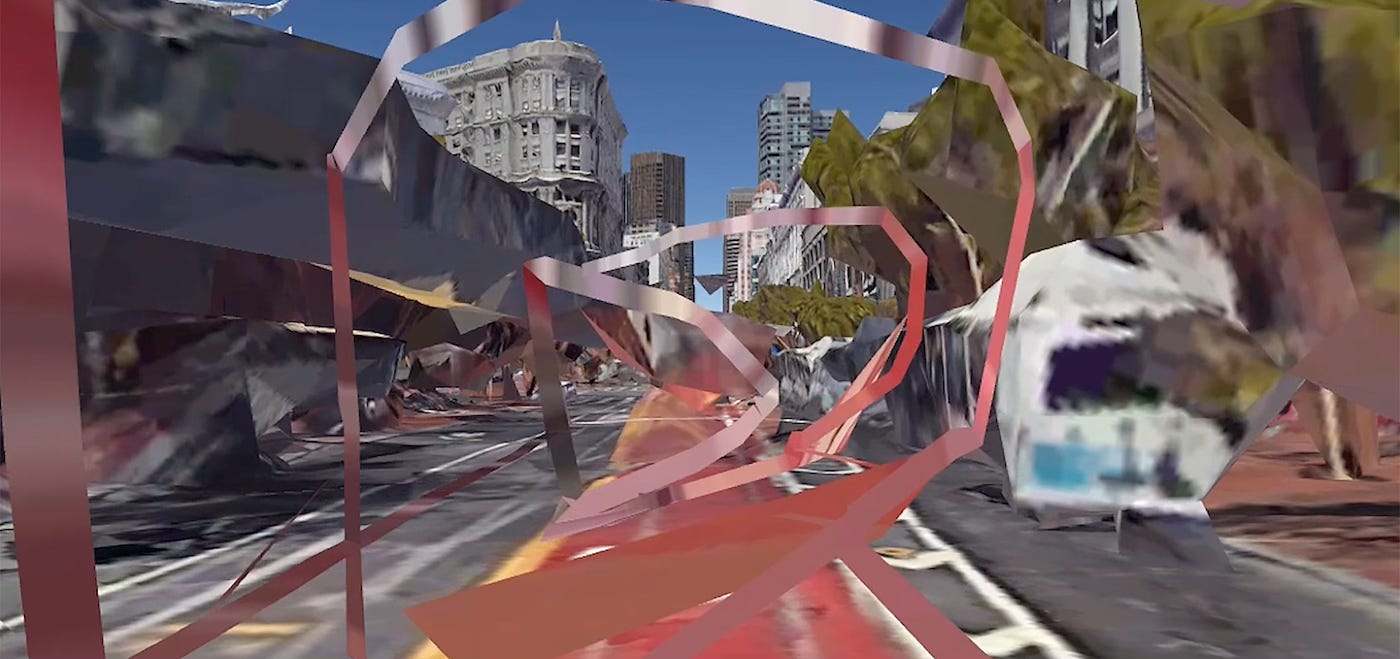
The work of mental wellness is never done. We live inside systems that constantly shift, adapt, and react to the conditions of life. Our minds produce signals and sensations that reflect everything from childhood wiring to present-day pressure. Those of us that have done the work have learned to move through these signals with awareness because awareness gives us a foothold, a home base.
For all those reasons, that is why I intensely dislike the term “healed” or “healing” when it comes to mental health. That term is both scientifically inaccurate and ethically wrong. The brain rewires itself through repetition, presence, and physical changes in the nervous system. It forms habits, breaks habits, and forms new ones again. The mind operates through cycles. “Healed” suggests an ending that we never reach. Further, it also creates expectations that old reactions won’t return. We carry enough weight without adding disappointment built from inaccurate language.
This understanding still leaves room for real transformation. A person can significantly rewire their nervous system from past trauma. A person can change their relationship with their own mind. A person can learn new skills for navigating thoughts, reactions, and triggering moments. I believe in this work because I have experienced it. My life reflects it. At the same time, the reality of this work includes moments when the system fails.
I recently experienced one such system failure.
In short, my self-intervention methods stopped functioning. I have learned to apply awareness first, then acknowledgment, and then choose an action. Curiosity usually serves as the best action. Curiosity allows me to listen. As I learned in the book “The Presence Process”, emotions are simply messages. During this system failure, I reached awareness and acknowledgment. But curiosity felt stupid and pointless. I just wanted the feelings to go away. Unfortunately, my system had reached a limit and gave me nothing to work with beyond frustration.
“The human brain is generally regarded as a complex web of adaptations built into the nervous system, even though no one knows how”.
- Michael Gazzaniga
These dysregulated feelings began to come out in small but intense ways. I snapped at Virginia about a trivial matter. I fixated on issues that deserved no fixation. In hind-sight, these reactions signaled overload. They signaled a system stretched beyond capacity.
Worst of all, I found myself in the state I most hate: paranoia. My body knows the pattern of Rejection Sensitivity Dysphoria. Recognition did nothing to soften it. Shame entered. Anger followed. I told Virginia, “Some days, I fucking hate my brain.” I meant every word at that moment.
Thankfully, a therapy session with Irma was already on the calendar for last Monday. Her compassionate but firm presence helped me slow down enough to see what had been happening. She guided me back through the reactions I had been fighting. She reminded me of tools I had learned and forgotten under depletion. One of those tools came from systems thinking: Root Cause Analysis. This is a structured way to track a system’s failure back to its origin.
That approach helped me uncover some key deeper issues and helped me see the failure as a system response, not a mystery. The system identified the overload that triggered the failure, which came from two areas:
Fear about this unfiltered, raw, and wild part of me that is emerging in Mexico City. What I’m calling The Wolf. It makes sense. The mind always fears spiritual expansion. The mind fears spiritual expansion because expansion exposes everything the mind built to protect me. A spiritual shift widens the self, and the mind loses its job as the center of control. The mind treats that widening as a threat. The spiritual self moves toward freedom. The mind moves toward safety. The collision between those two creates fear.
A deep and 55-plus-year-old pool of anger rose with that expansion. White-hot anger at injustice in the United States. The re-emergence of anger toward my parents’ behavior toward me in the past and in the present. This anger carries history, memory, and weight. None of it feels new, yet its intensity has grown in ways that demand attention. My system struggled to regulate it because this anger no longer whispers. It surfaces with the force of a truth that refuses to stay buried.
Managing those feelings had already consumed a significant amount of energy. That, combined with long days of travel, left me depleted. My system ran through its available resources and entered a state where it could no longer stabilize itself.
Then in sort of an ironic doom loop, the negative feelings about those root causes became a fixation, which created the even more intense feelings of despair, paranoia, and anxiety. What is wrong with me? What should I do? What if they stay? These questions blended with the endless cacophony of a weary mind. The fixation magnified the emotions. The emotions fed the fixation.
Irma also took me through an exercise she called “Stop It.” The name makes me laugh because it reminds me of this Bob Newhart skit. The exercise separated the neocortex from the mammal brain. The mammal brain reacts. The neocortex decides. Once the separation became clear, I regained a measure of control. And she was right. I could stop it. But it required that shift of perspective.
In a conversation with Virginia a few days later, we came up with a new protocol that I called “I Just Can’t.” Humor works as an intervention tool because it interrupts the mind’s sense of urgency, so I imagined the voice of a white-girl influencer who reached the limit of her tolerance for the drama in her life. But beneath that humor sits a serious practice. The phrase “I just can’t” gives both of us a clear signal. It is honest about our capacity. It communicates truth without blame. It means we trust each other with what we’re feeling without it becoming resentment or codependency. It also creates pause. It means “for now.” It honors the commitment to return once the system gains more internal resources.
The lessons for me moving forward feel straightforward and earned.
Apply systems thinking to system failures. A system failure reveals stress points, load limits, outdated patterns, and missing support structures. It shows where the architecture needs reinforcement. It becomes an instruction manual written by the mind itself.
Start by going to the heart. It never lies. As Sarah Blondin says “Your heart knows the way long before your mind begins to understand.” The heart communicates in a language free from performance, fear, or ego. When I go there first, I find the truth before my mind tries to shape it into something more comfortable.
Then go to the body. The body never lies either. The body reports everything in sensation, pressure, agitation, and fatigue. The body provides data without story. The body tells the truth before I speak it.
The biggest takeaway was that I need to figure out how to process this anger without bypassing it or expressing it in unhealthy ways. I continue to explore practices that bring both discipline and self-compassion about this anger without dispersing it onto the people I love. Long walks help. Lifting weights help. Being around art helps. Writing helps. Time with Virginia and the people I love helps. These practices support me, and I feel grateful for each of them. I also feel clear that the responsibility for this anger belongs to me. My deeper anger asks for strength, discipline, and honest engagement.
So stay tuned for that.
Thank you Justin, this was a gift. It reminded me of the power of therapy, the power of self-reflection, the power of tuning into our hearts and minds and bodies, and the power of sharing with loved ones and their support. I always appreciate your writing for your honesty and insight. Take care ❤️🌳
Your journey is so so...
I don't have a word for it!
My brain hiccoughed when you said I just can't, because those were the words I said to my son when he was here last week. Several times. Tao says be present, but sometimes that is too painful. Tao says accept what is, but I don't.
So I know what you mean and I just can't says it all.
Thank you for sharing your journey. It means a lot.